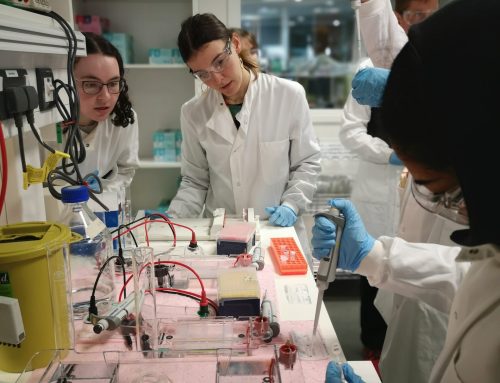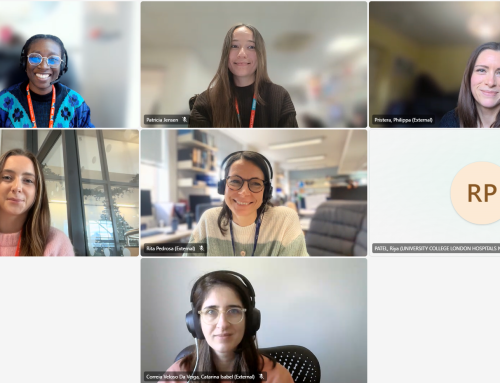
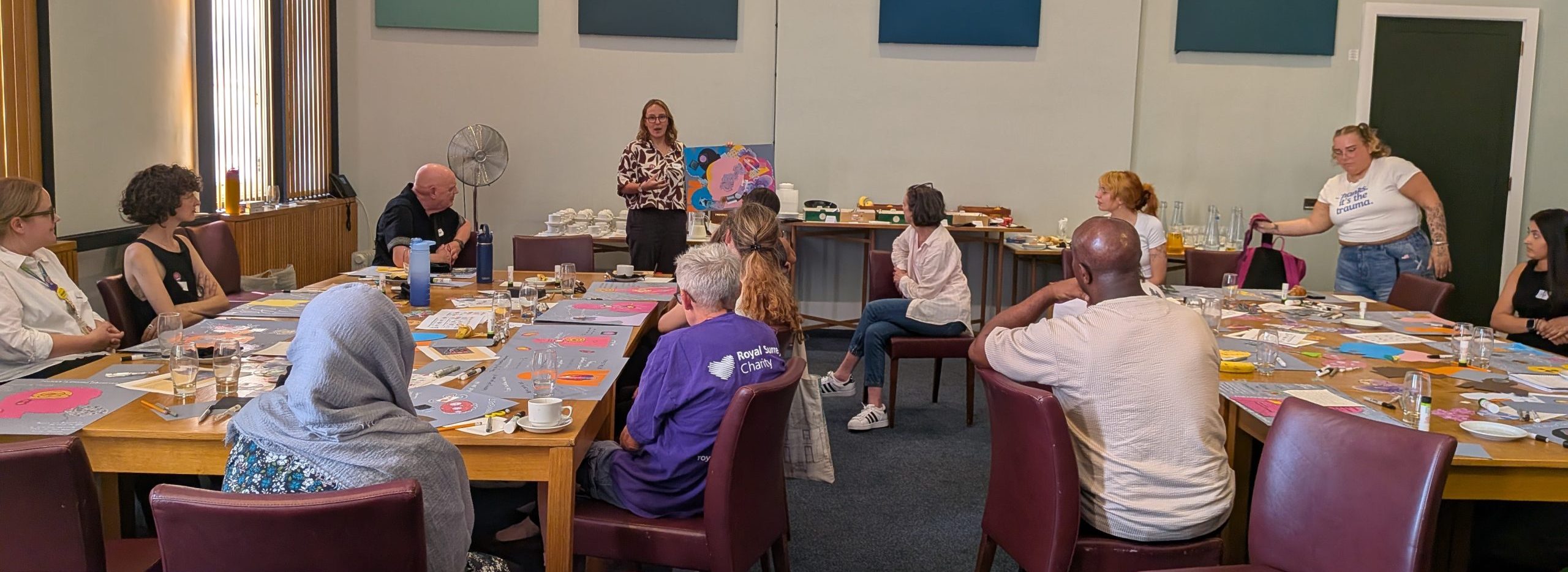
On Thursday 16th July 2026, the CRUK City of London Radiation Research Centre (RadNet City of London) piloted a new format – a Creative Radiotherapy Research Café, bringing together radiation researchers, healthcare professionals and people with lived experience of radiotherapy to explore research in a more open, creative and collaborative way, with a specific focus on two core themes of our centre:
- Understanding why radiotherapy works better for some people than others (radiotherapy resistance)
- Understanding the longer-term effects and impact of radiotherapy
The session was led by our PPIE team, Philippa Pristerà and Esther Osarfo-Mensah, alongside artist facilitator Liane Harris, and attended by 10 patient/lived experience representatives and 11 RadNet City of London professionals or partner representatives, including:
- Academic researchers/staff: Dr Rita Pedrosa (QMUL), Dr George Frith (KCL), Dr Grace Cooksley (UCL/UCLH), Prof Erik Sahai (Crick), Alexandrine Carminati (Crick), Prof Sam Terry (KCL) and Hafiza Bibi (RadNet CoL Manager, UCL)
- Clinical researchers/staff: Amanda Webster and Riya Patel (Therapeutic Radiographers, UCLH), Dr Gemma Eminowicz (Consultant Clinical Oncologist, UCLH), and Egla Aitkens [for well-being support] (Clinical Practice Facilitator, CCTU/UCLH)
Through lived experience discussions, research presentations, and creative reflection, participants were invited to explore what these topics mean in real life, what research is currently trying to address, and what may still be missing from the conversation.
Why did we run it?
Researchers and people affected by cancer don’t often have opportunities to talk with one another, particularly early in the research journey.
Many of our centre’s researchers work on complex challenges such as treatment resistance, recurrence and optimisation. But while they spend years studying these questions, they rarely have opportunities to hear directly from the people whose lives are affected by them.
Equally, many patients, carers and family members don’t often get the chance to see how research begins, influence thinking at an early stage, or share what feels most important from their perspective before plans are already in place.
The Creative Research Café was designed to test whether bringing these perspectives together earlier could create new understanding, challenge assumptions and help shape future research conversations. It was about creating space for researchers and people with lived experience to learn from one another before research ideas are fully developed.
The Role of Creativity
Previous RadNet projects, including ‘What Does Radiotherapy Mean to You?’, demonstrated how creative approaches can help people share experiences that are often difficult to express in words alone.
We wanted to build on those insights by using creative tools not simply to capture experiences, but to help researchers and people with lived experience think and reflect differently together – drawing out what matters most to people, as well as the connections between people’s stories.
What happened on the day?
Session 1: Lived experience
We started with lived experience. Rather than beginning with research presentations, we wanted participants to first explore what these themes look and feel like in everyday life.
A couple of our attendees were invited to start the conversation with what terms like ‘resistance’ or ‘recurrence’ mean to them, and why talking about the long-term impact of radiotherapy is so important. The conversation was then opened up to allow others in the room to share their experiences, reflecting on what researchers may not always see or hear, and what they felt future research should better understand.
-
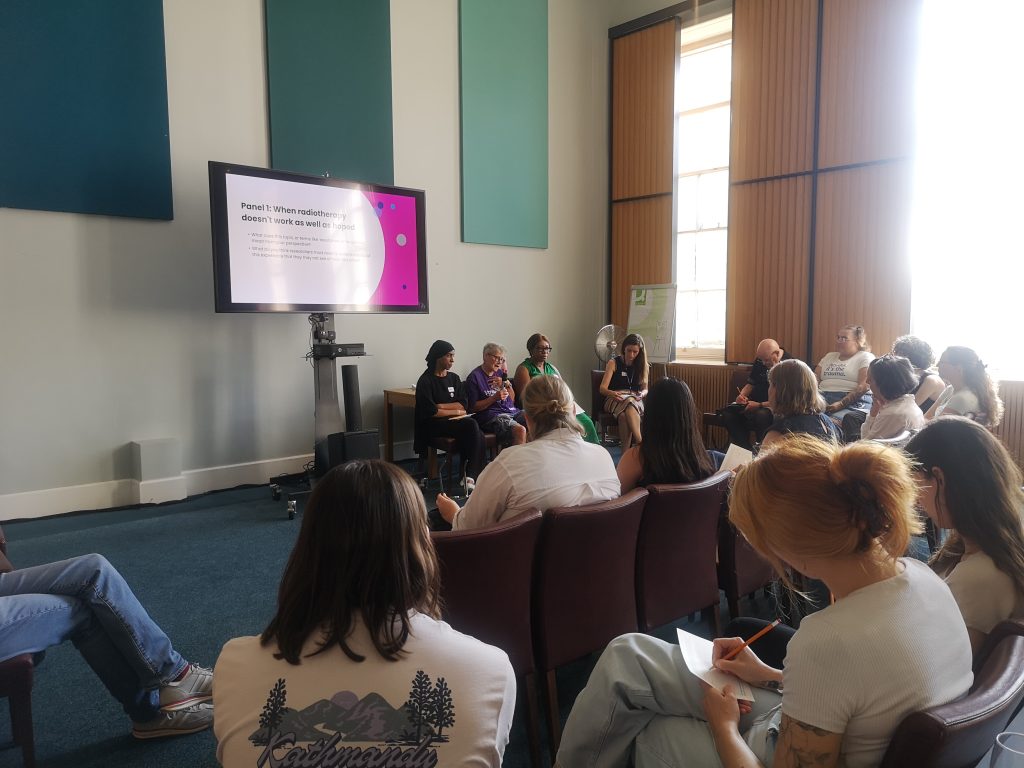
- Theme 1: When radiotherapy doesn’t work as well as hoped (cancer resistance and/or recurrence)
-
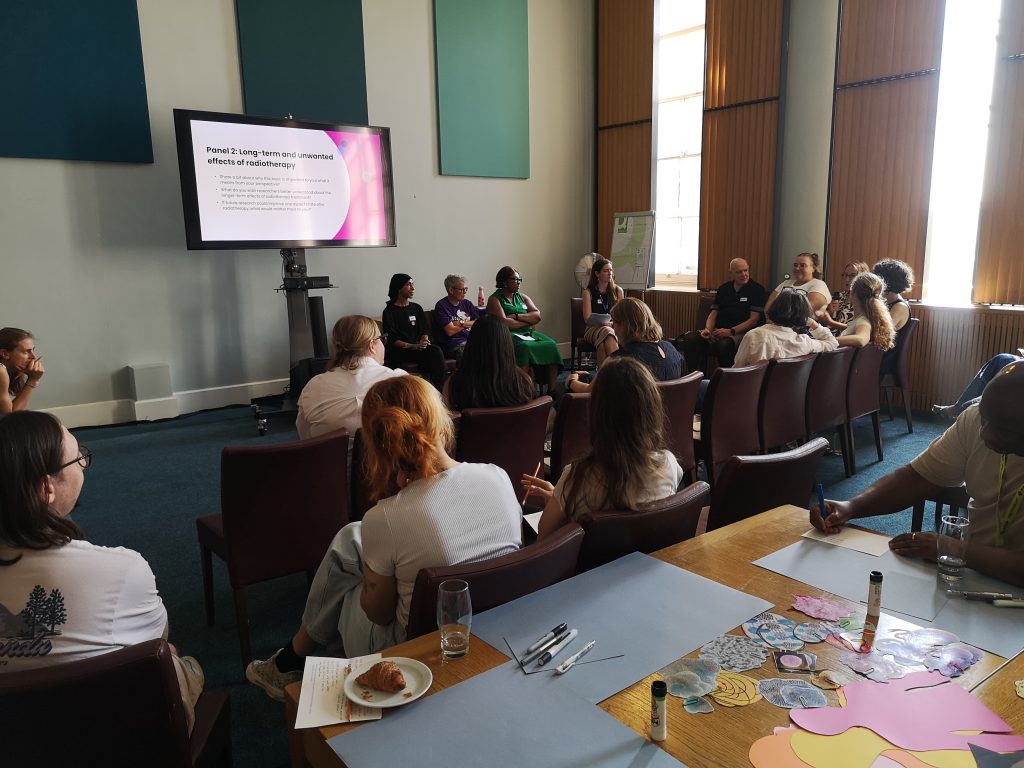
- Theme 2: Long-term or unwanted effects of radiotherapy
Work is now underway to collate all the themes from the discussions in more detail, but overall they included:
- Living with uncertainty when treatment outcomes are unclear
- The experience of being overwhelmed by information at key points in the treatment journey
- The importance of preserving identity, quality of life and function, not just treating disease
- Having meaningful choices and a voice in decision-making
“I was moved by the tenderness of the conversations, sharing my story didn’t feel clinical or extracted – it felt honoured. It was the first time I’ve spoken about radiotherapy in a setting that felt both creative and deeply human.” – Patient Partner post-event reflection
Session 2: Research in plain language
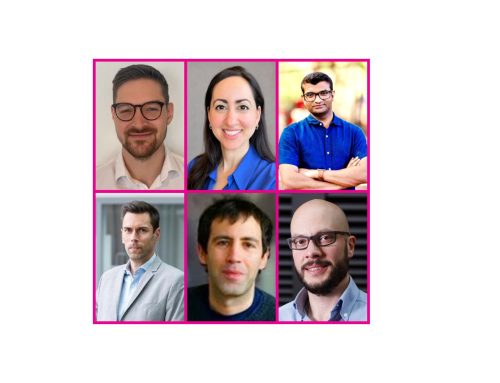
After a short break, we then moved to the researcher’s session in which five researchers from across RadNet City of London — Rita Pedrosa, George Frith, Grace Cooksley, Erik Sahai, and Alexandrine Carminati — shared short presentations on their research covering radiotherapy resistance, imaging, long-term side effects and personalised treatment approaches. They were encouraged to use highly visual, plain-English slides focused on the problem they were trying to solve, why it matters, and where lived experience might help shape future thinking.
-
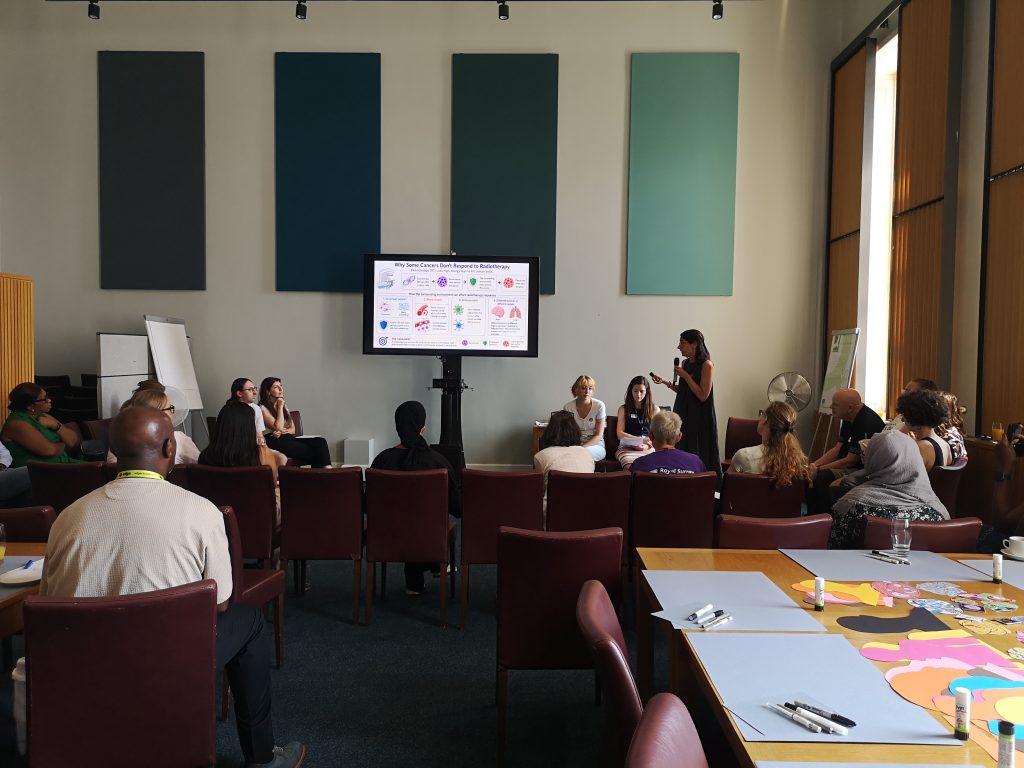
- Rita Pedrosa
-
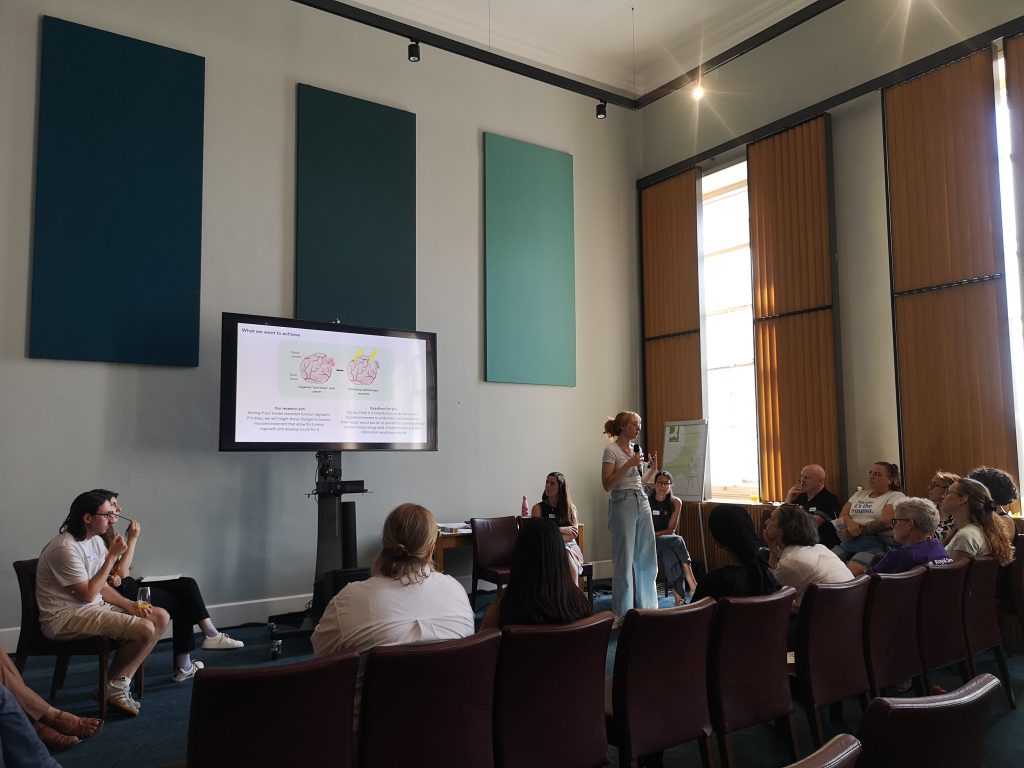
- Grace Cooksley
-
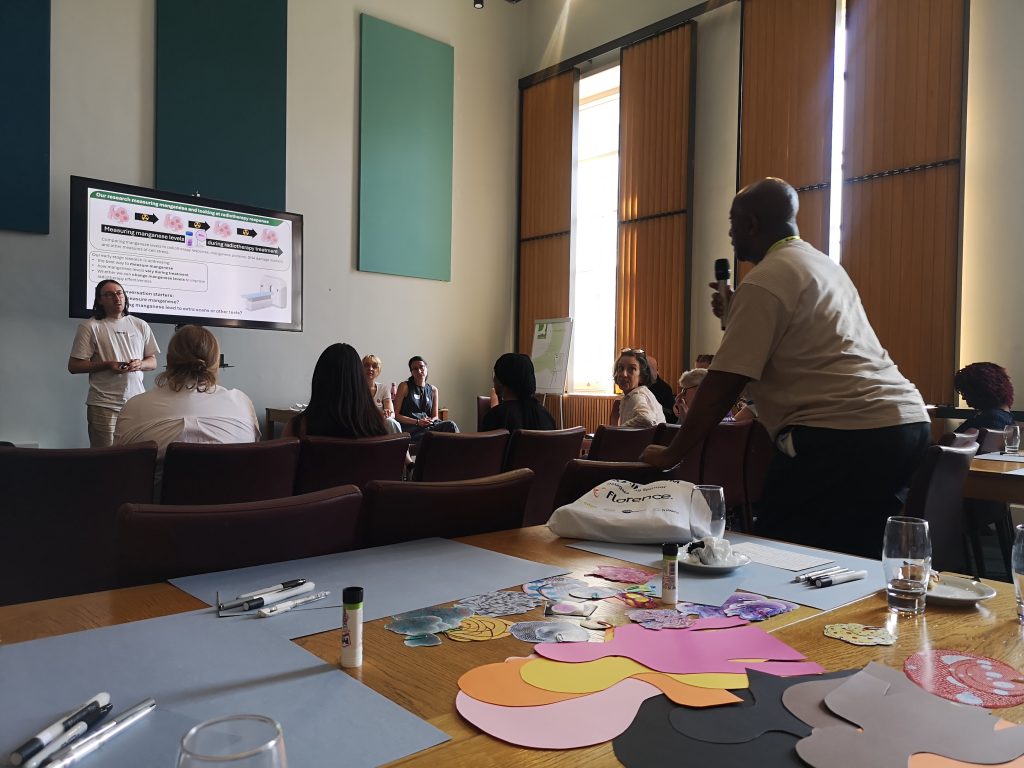
- George Firth
-
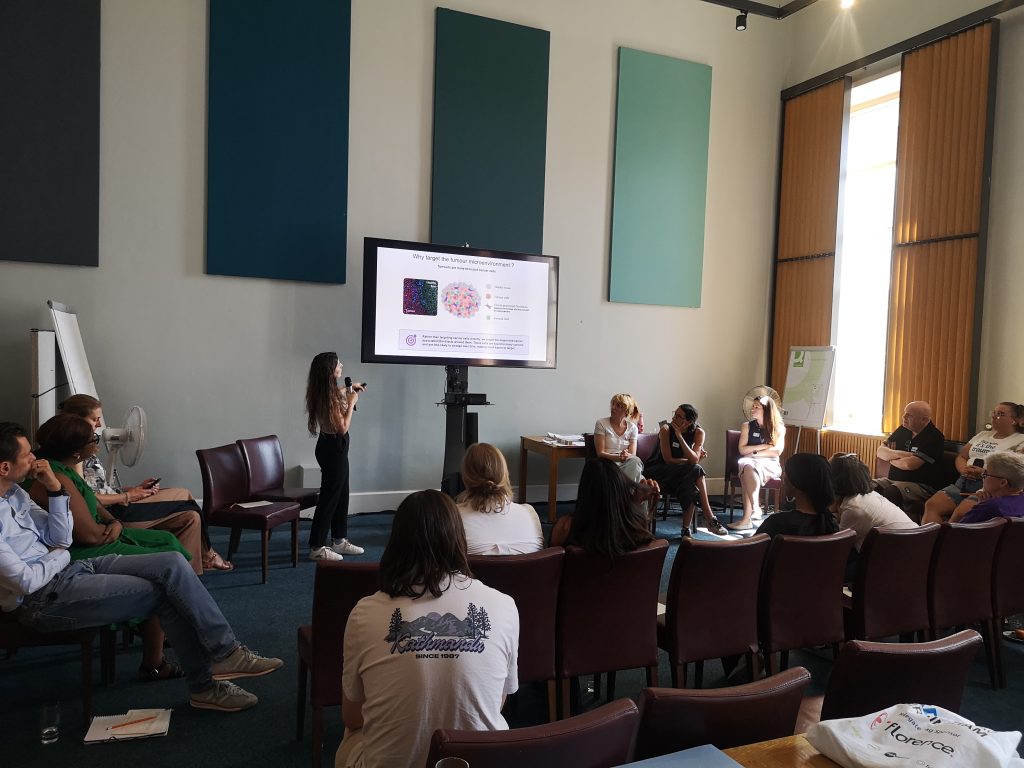
- Alexandrine Carminati
-
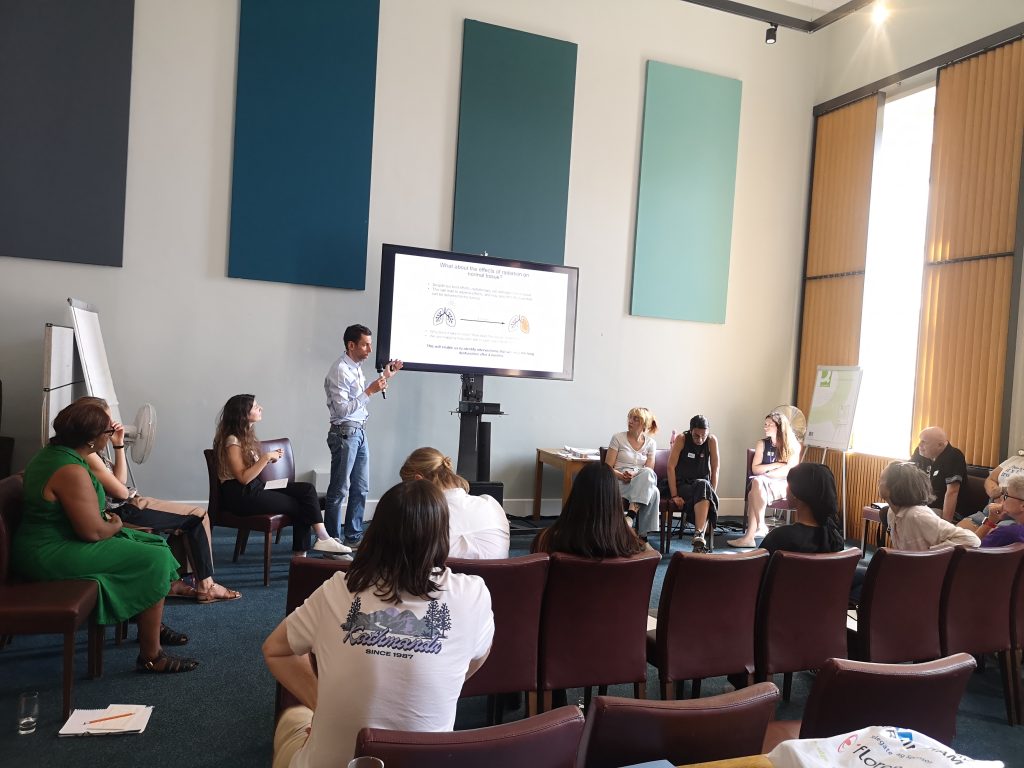
- Erik Sahai
After each talk, the audience had the opportunity to ask questions, giving them a chance to gain clarification around the applications and implications of the research, thereby helping researchers also better understand the likely relevance and areas of importance for patients.
Discussions explored broad topics relating to the research, including:
- whether increasing treatment combinations is always desirable from a patient perspective
- how to balance treatment effectiveness with quality of life
- the need for more personalised medicine and approaches
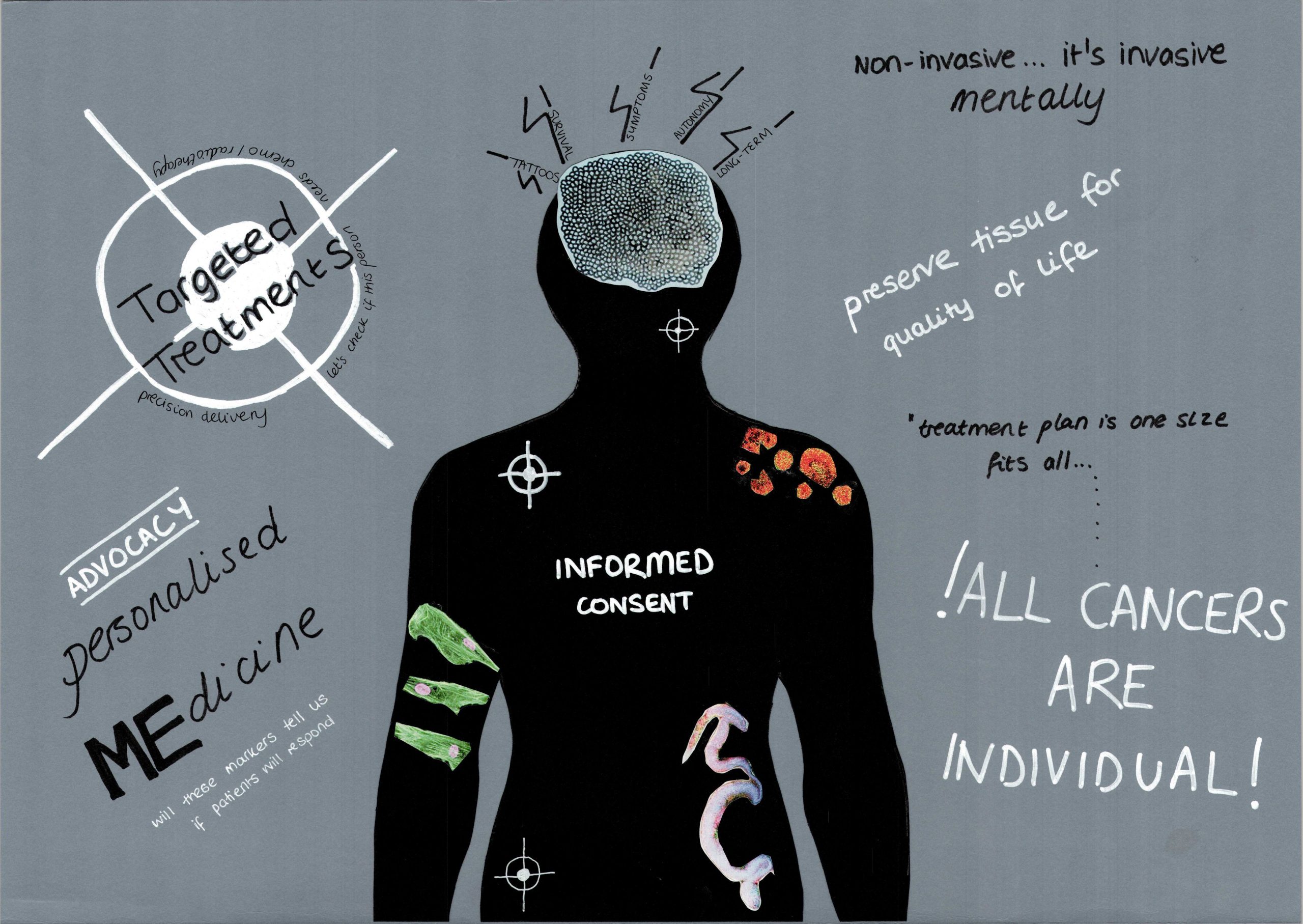
- the emotional burden of imaging, which is often described as ‘non-invasive’, but as one participant reflected “repeated scans, uncertainty and waiting for results can still be highly invasive on the mind”
“It’s made me think more about the unintended consequences of radiotherapy and the importance of targeting the dose. I was also inspired by the resilience of the patients with cancer and cancer survivors.” – Researcher post-event reflection
Session 3: Creative reflection
The final part was led by artist facilitator, Liane Harris.
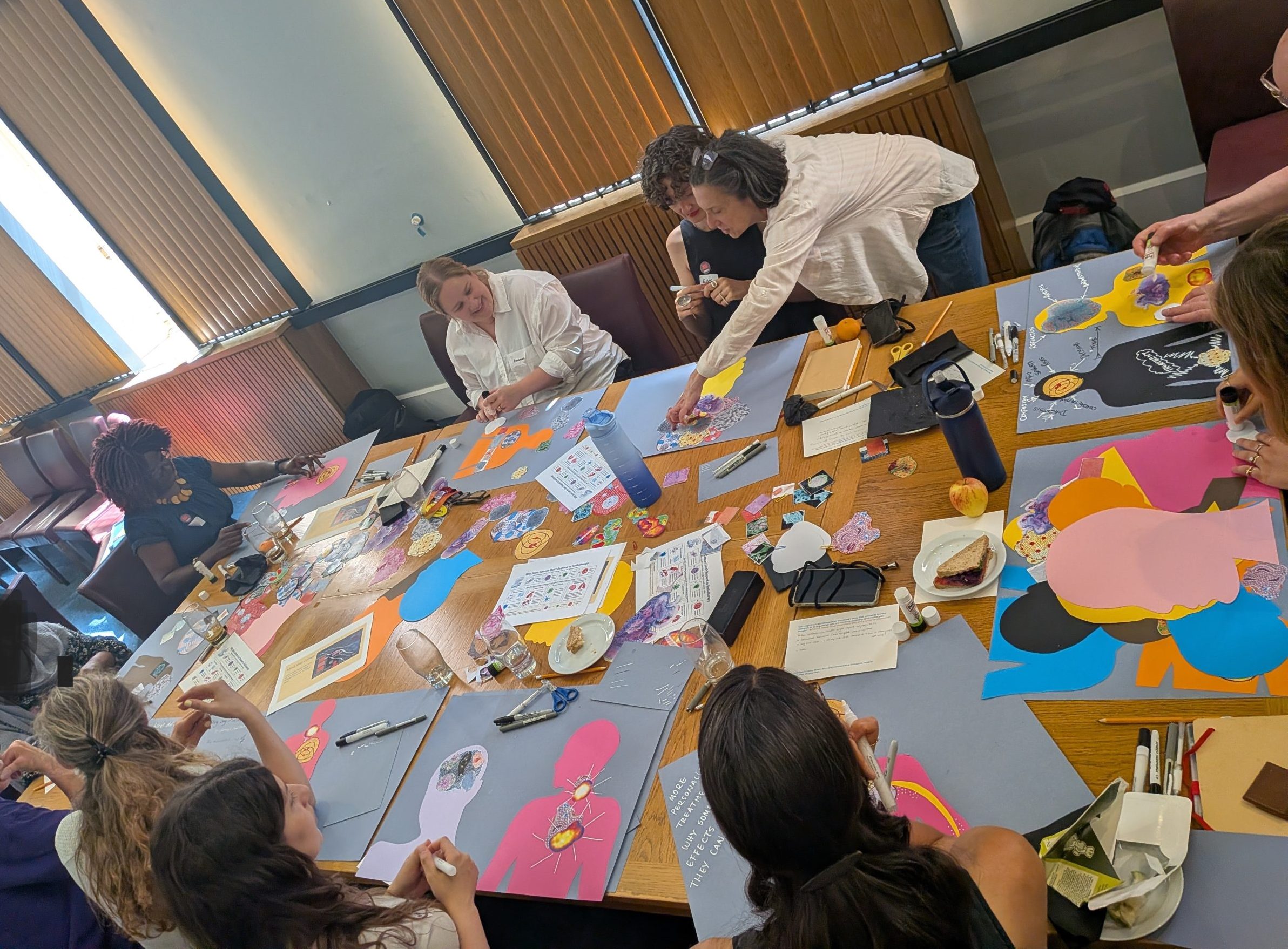
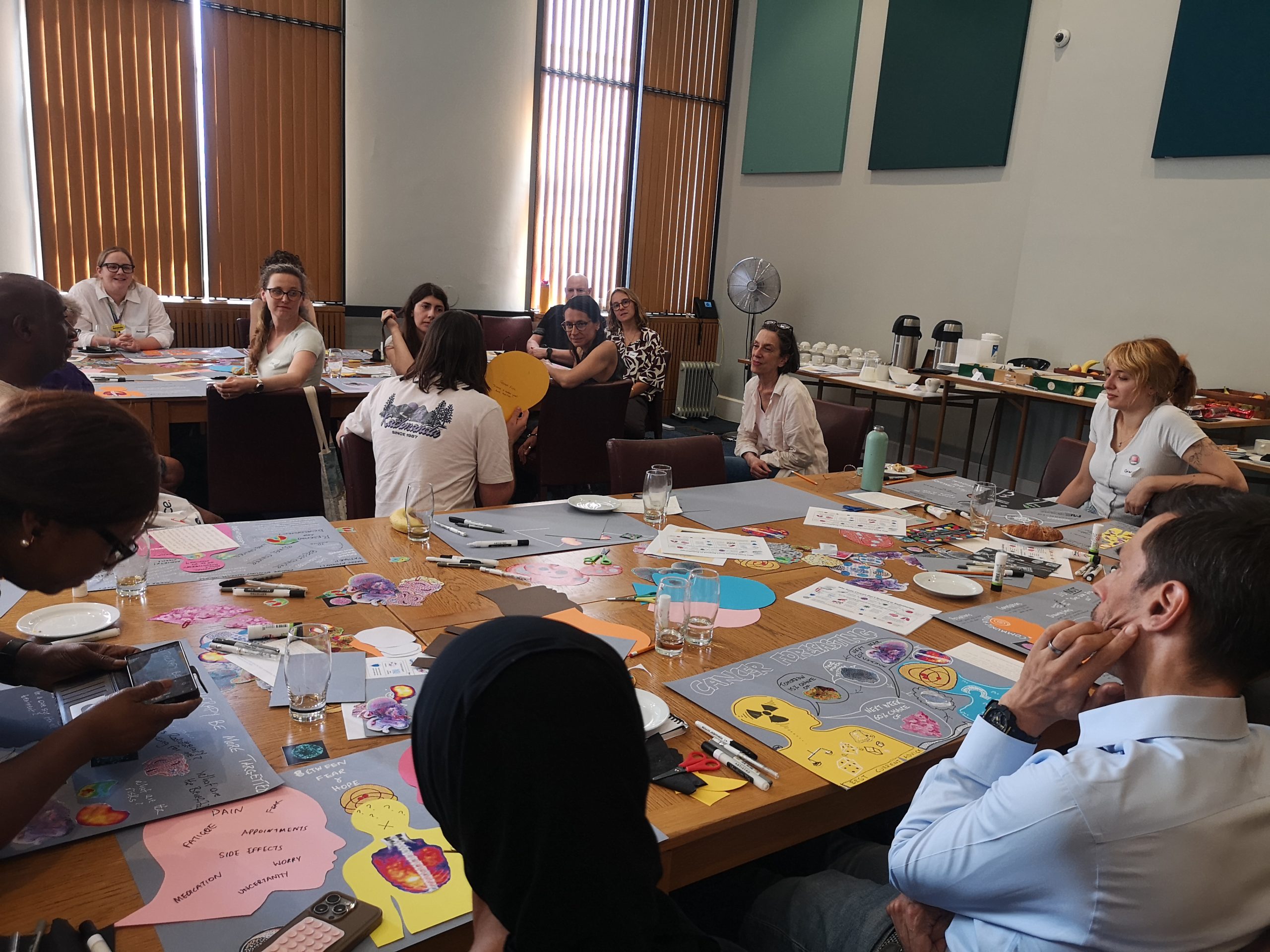
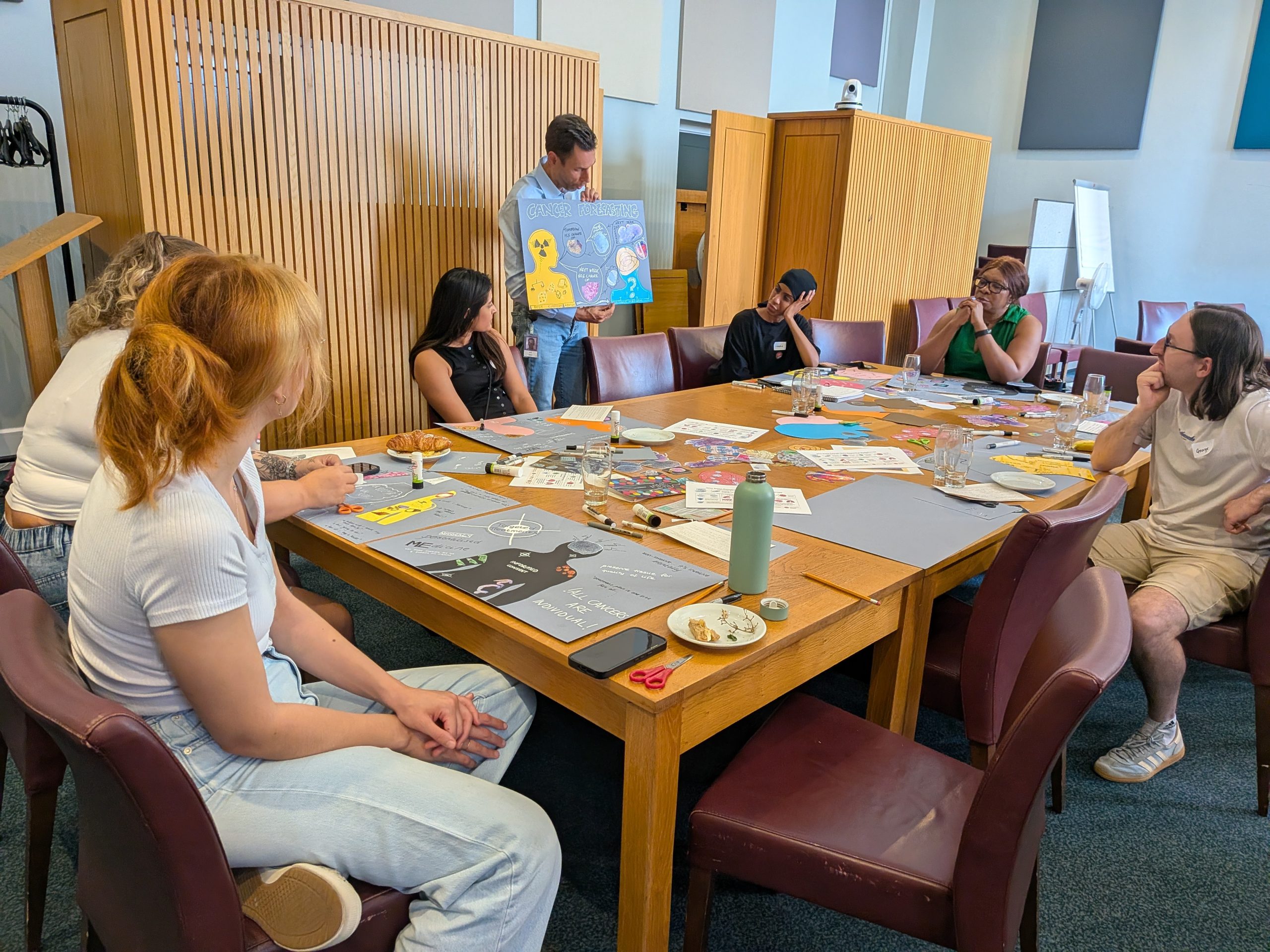
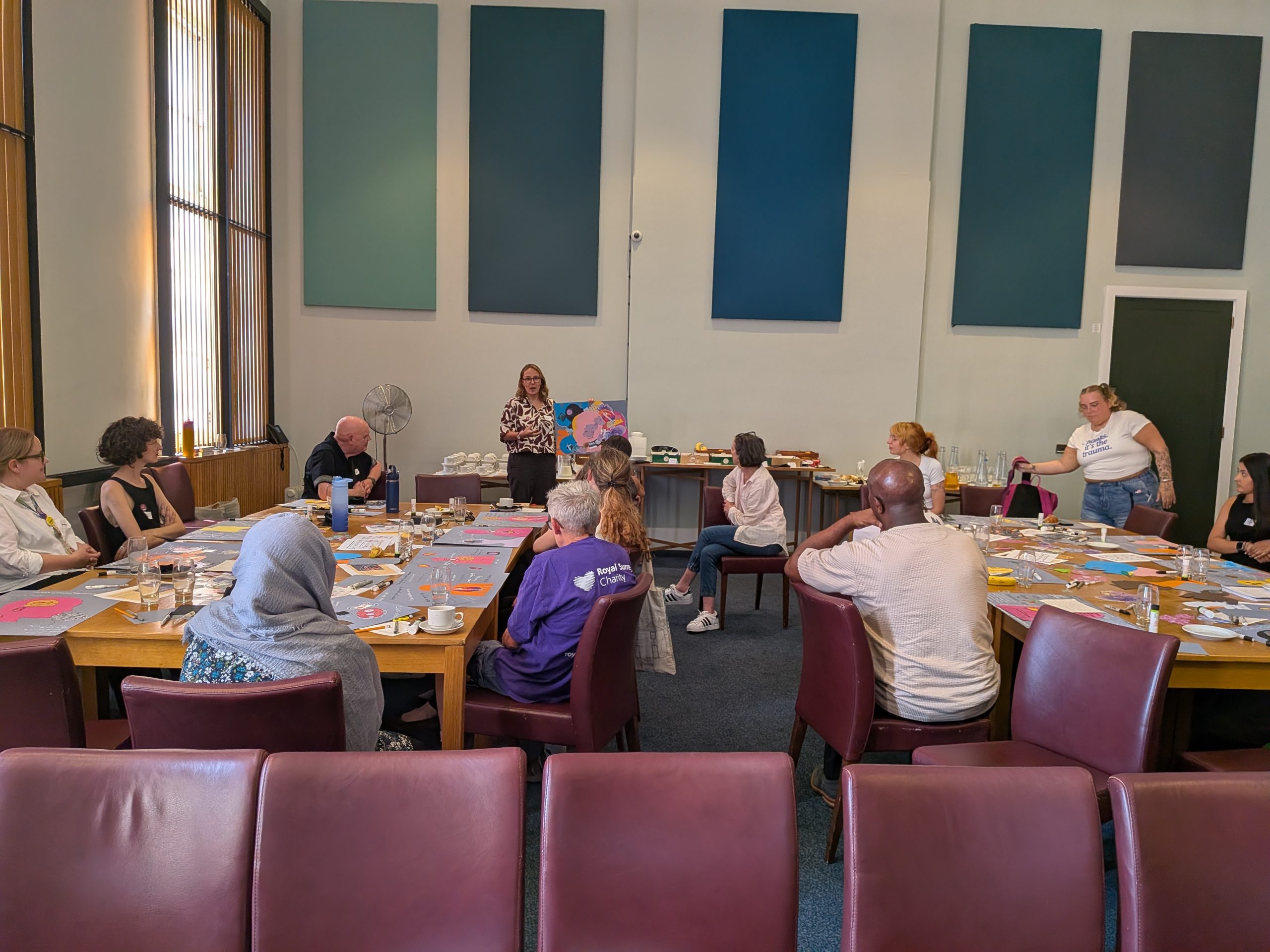
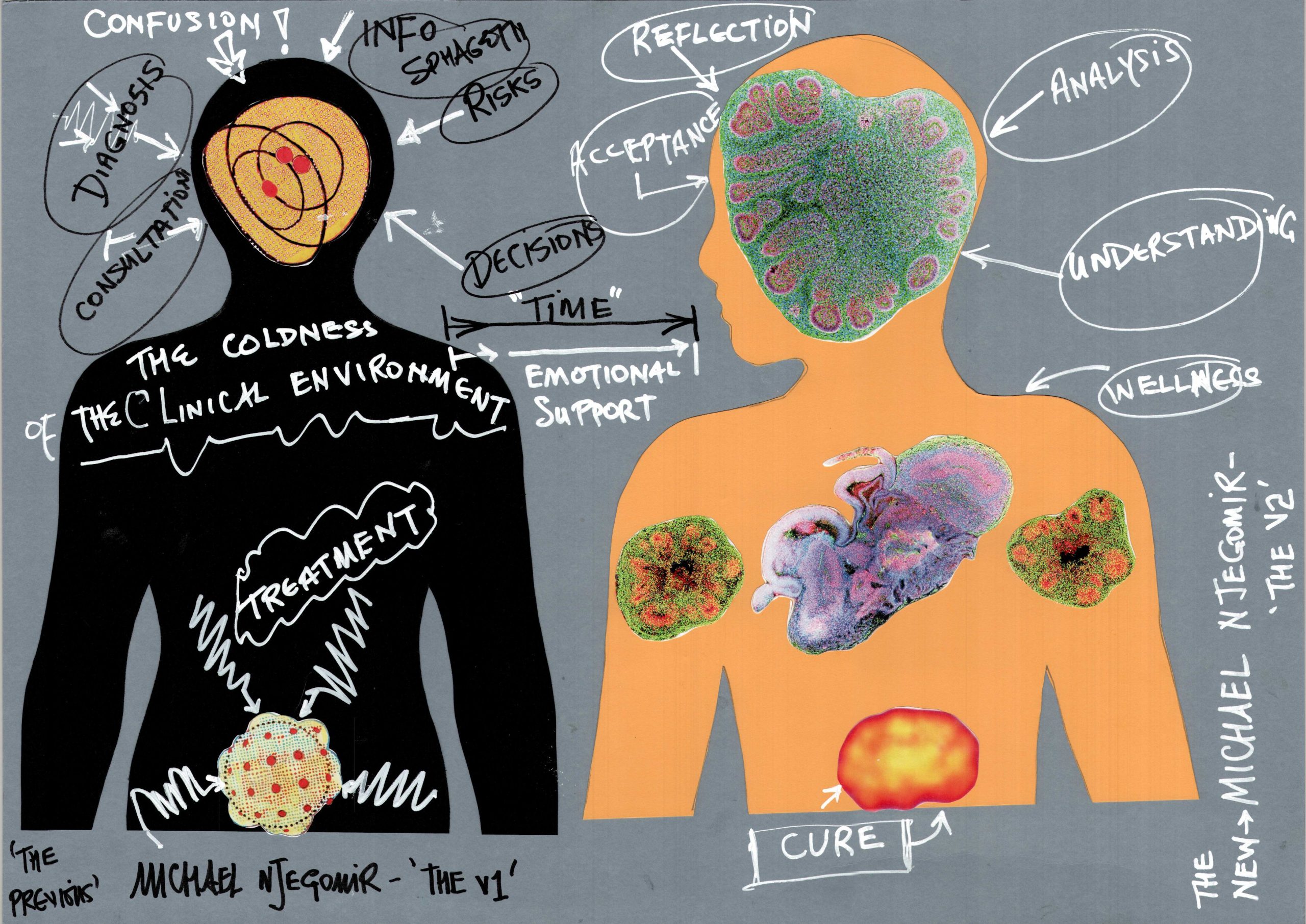
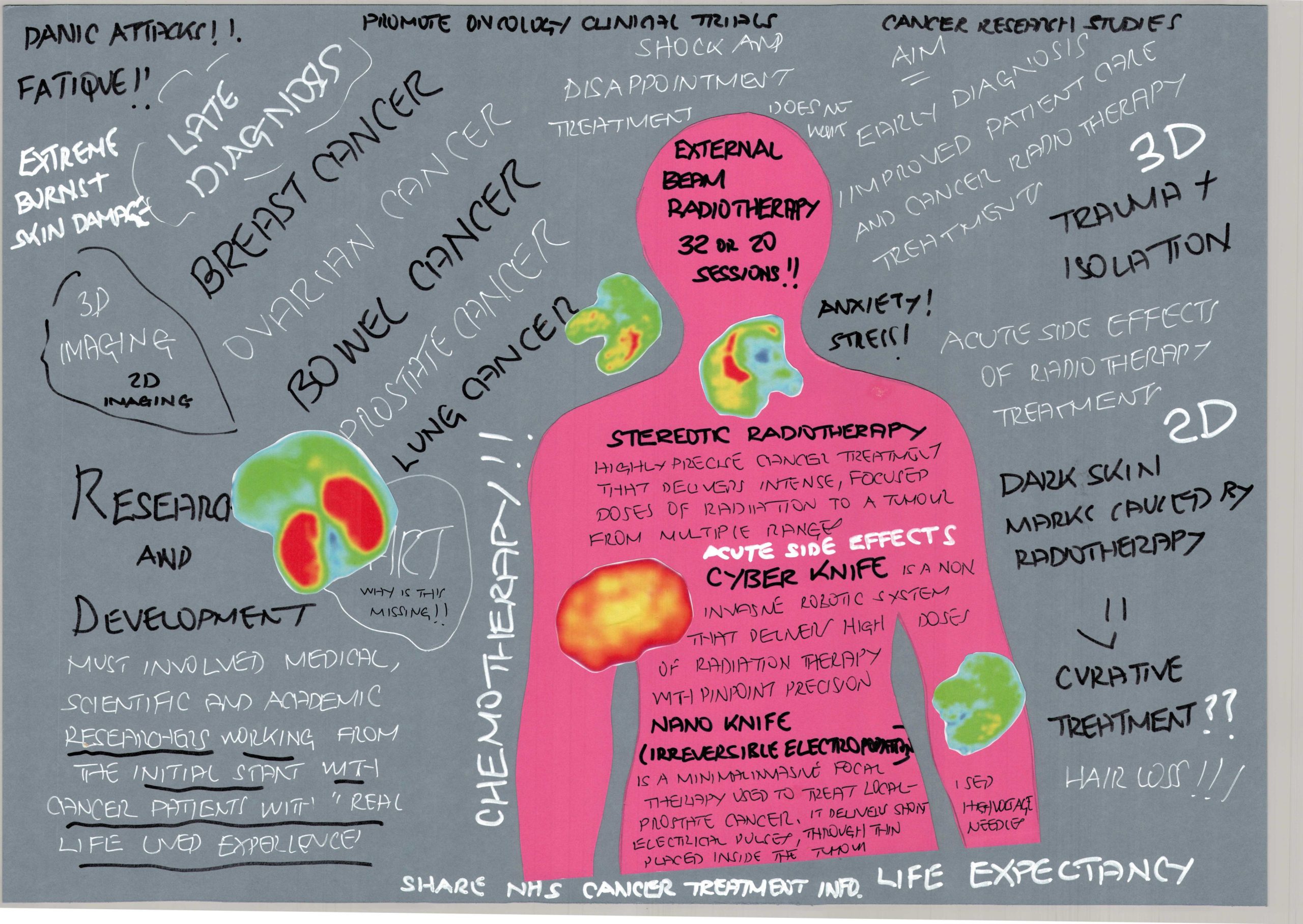
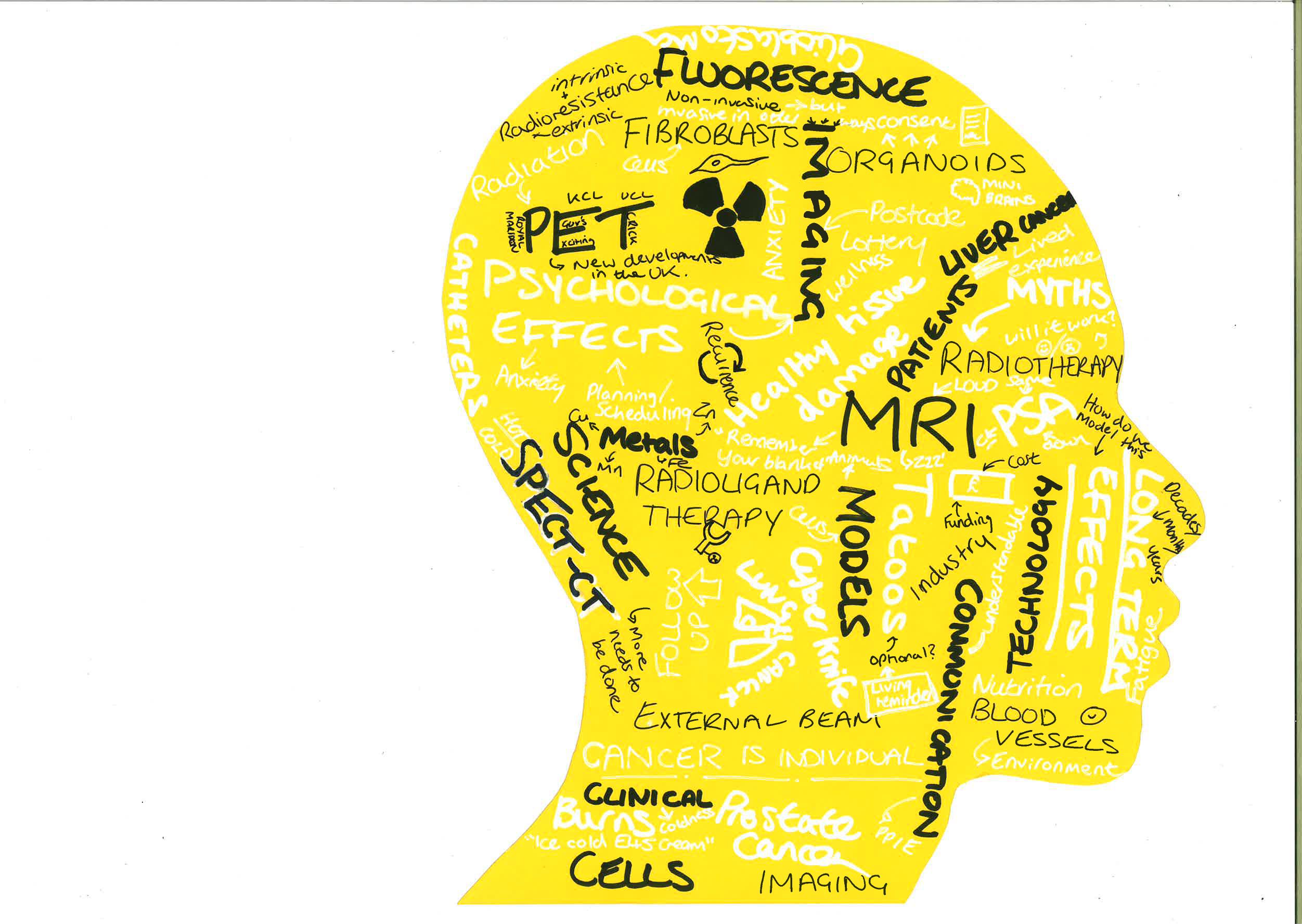
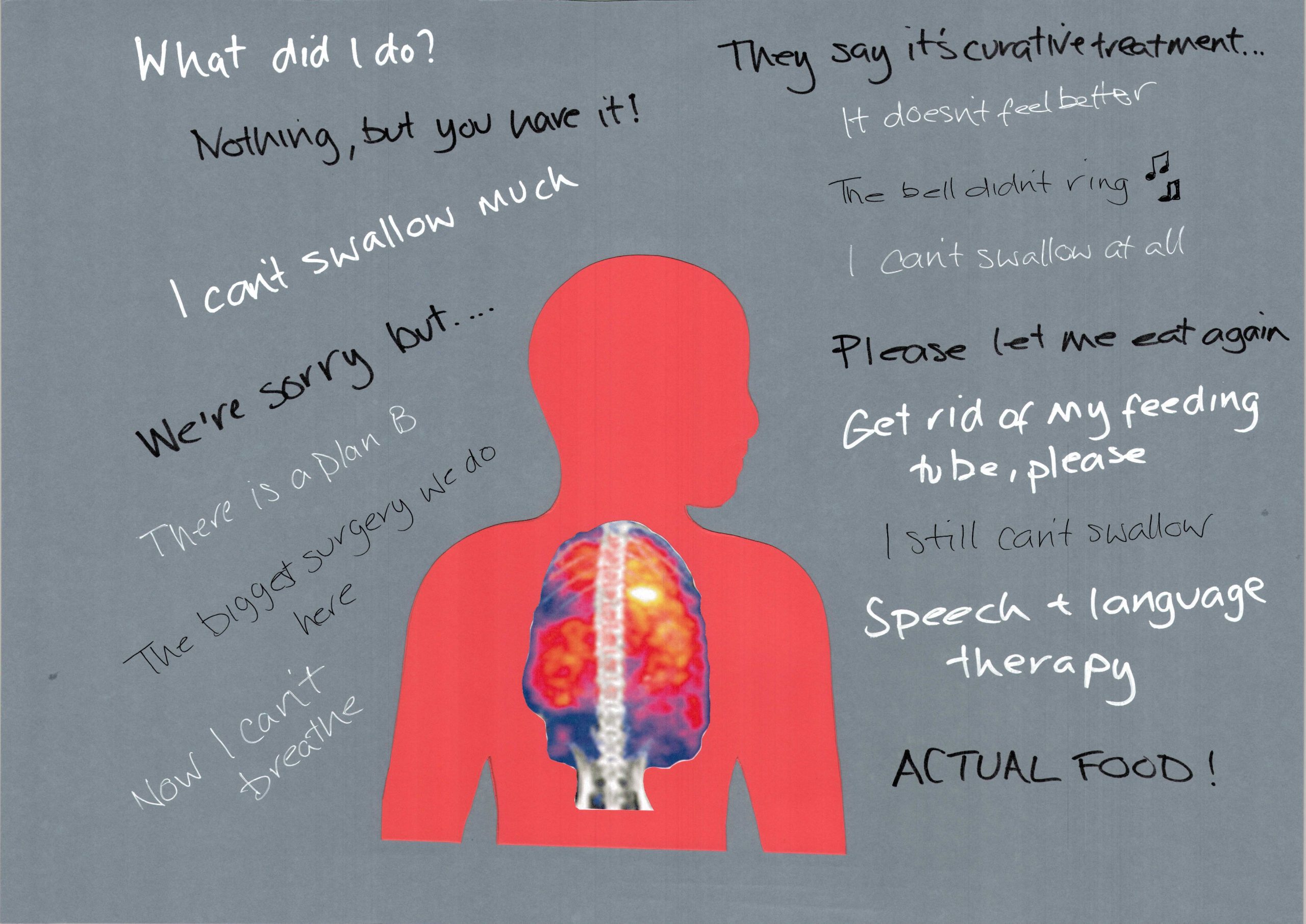
Using collage techniques, visual prompts and pen marks, participants were invited to reflect on one idea, question or connection that had stayed with them from the morning and explore it further through a personal visual mind map. We worked around two large table clusters, with researchers, healthcare professionals and our lived experience representative sat side-by-side, enabling everyone to continue conversations, exchange ideas, and make new connections while also having space to reflect individually.
As the session unfolded, conversations moved between personal experience, research questions and future possibilities. Rather than directing every discussion, participants were encouraged to follow the ideas and connections that felt most important to them.
What emerged was not only a collection of creative outputs, but a rich set of reflections, questions, and perspectives that built on the discussions from earlier in the day.
Immediate reflections
One of the biggest lessons from the pilot was the importance of creating space (and time) for different perspectives to meet. Some of the most interesting insights emerged not from the questions we planned, but from unplanned conversations, shared reflections, and unexpected connections between participants.
For us as organisers, this reinforced the importance of balancing structure with flexibility. While careful facilitation creates the conditions for meaningful conversations, some of the most valuable learning happens when people are simply given the opportunity to listen, reflect, and think together in the same space. It also reminded us that meaningful conversations take time. Many of the sessions naturally ran longer than planned, suggesting a real appetite for deeper discussion, reflection, and exchange between participants.
“It was a very special day, and I was very humbled and excited to be a part of it.” – Researcher post-event reflection
What’s next?
We’re now collating feedback, reflections and creative outputs from the day. Over the coming weeks/months, we’ll share these materials, reflect on what we’ve learned, and explore how this approach can be refined and repeated in the future.
While this was only a pilot, it has already generated new thinking, new questions and new connections that are likely to continue to evolve as time goes on. Our hope is that, with further testing and refinement, this approach could become a simple and repeatable way of bringing lived experience into radiotherapy research conversations earlier, more consistently, and with greater impact.