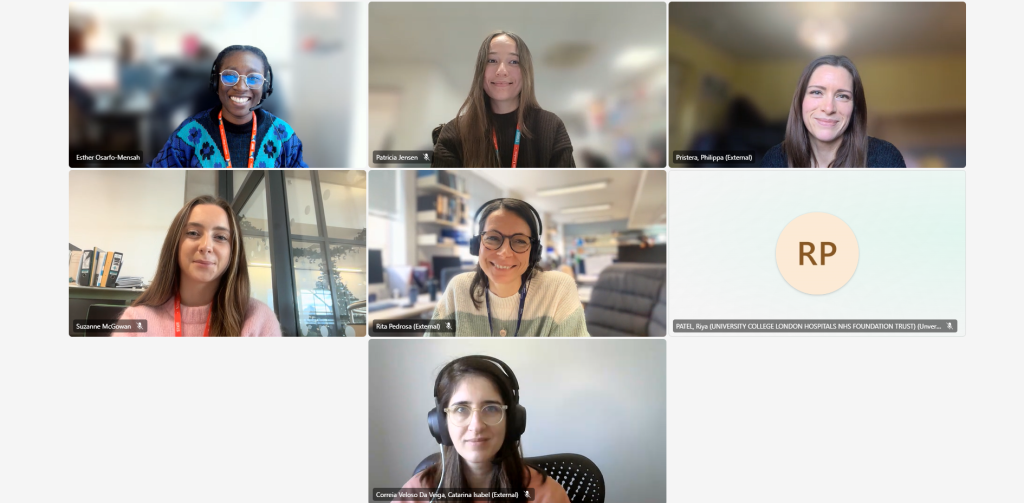
On Tuesday 25th November 2025, we hosted the inaugural meeting of our PPIE Radiation Research Champions, marking an exciting step in our efforts to continue embedding patient and public involvement and engagement (PPIE) into our work at CRUK City of London Radiation Research Centre.
This new advisory initiative brings together RadNet-affiliated researchers from across our institutions to ensure that public and patient voices and lived experiences help shape the future of radiation research. It also gives researchers the opportunity to influence PPIE training and opportunities, ensuring best practice across our community.
Why does this matter?
PPIE makes research more relevant and impactful by involving and engaging patients, caregivers and the public in discussions about radiotherapy and radiation research. Through collaboration, we can improve perceptions, shape better treatments, understand the mental health needs of patients and loved ones during treatment, and share innovations so research benefits patients quickly.
What will the Champions do?
Over the next year, Champions will:
- Share insights on researcher needs and challenges in embedding PPIE
- Support the development of PPIE resources and training for researchers
- Raise the visibility of PPIE across our research community
- This light-touch but high-impact role will inform the strategic development of PPIE support and make it easier for researchers to involve and engage patients and the public in meaningful ways.
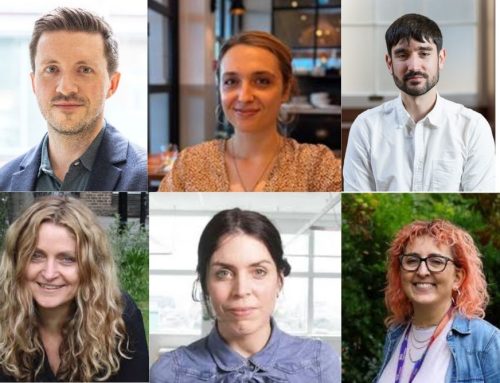
Find out more about our champions:
Dr Anthony Kong
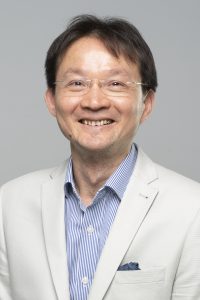
Since July 2019, I have been a Reader at King’s College London and an honorary NHS Consultant in Clinical Oncology at Guy’s and St Thomas’ NHS Foundation Trust. My research interests include personalised medicine, translational research, and clinical trials. My research programme bridges the gap between clinical and laboratory research, conducting two-way bench-to-bedside studies with the aim of translating laboratory findings into clinical practice for patients’ benefit.
Ultimately, our research aims to improve patient outcomes. We work with patients as research partners so that we understand what truly matters to them and can guide our research towards areas that are directly relevant and beneficial.
Amanda Webster
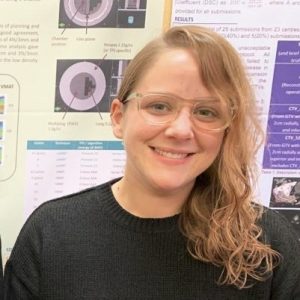
I am a Therapeutic Radiographer and CRUK RadNet PhD researcher specialising in motion management for abdominal radiotherapy. My work focuses on translating innovative, evidence-based techniques into routine clinical practice to improve treatment accuracy, workflow, and the experience of both patients and staff.
PPIE matters deeply to me because it makes research better at every stage. It ensures we are asking the right questions, designing studies that are acceptable and meaningful to patients, and capturing outcomes that reflect what truly matters to them. Hearing the patient voice keeps our work grounded, strengthens how we communicate and deliver care, and is a constant reminder of why we do this research in the first place.
Dr Catarina Veiga
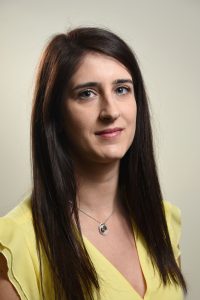
I am an Associate Professor at UCL where I lead research into radiotherapy physics and imaging, with a strong focus in paediatric cancers. Alongside my research, I’ve been involved in several PPIE activities and have seen firsthand how PPIE empowers everyone involved. I believe in the power of the patient voice to make researchers and their research better.
Dr Jamie Dean

I lead the Computational Radiation Biology Lab at University College London. Our Lab is researching mechanisms of radiotherapy resistance of brain tumours and radiotherapy-induced normal brain toxicity to design more effective and less toxic treatment strategies. To do so, we integrate computational and mathematical models with experimental and clinical data, working collaboratively with experimental biologists and clinicians.
PPIE matters to me to because it: (1) ensures that our research is informed by the perspectives of people with lived experience of cancer; (2) communicates to patients and the public that research is going on “behind the scenes” to improve the lives of people with cancer in the future; and (3) enables joint advocacy efforts to promote the importance of research and need for increased resources to accelerate our progress.
Patricia Jensen
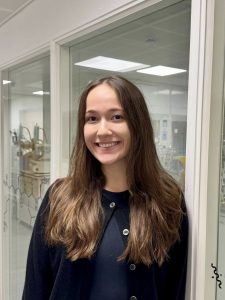
My PhD research explores ways to improve the safety and efficacy of cancer treatments. It involves adapting existing chemotherapeutic drugs, so they only exhibit the intended effect at the tumour during radiotherapy, with the goal of overcoming side effects for patients. As a chemist, being involved in PPIE is important to me because it helps ensure our research is shaped by the people it will hopefully benefit one day.
Dr Rebecca Carter
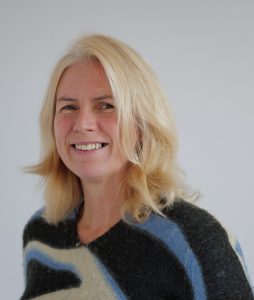
My role as a RadNet City of London pre-clinical radiotherapy scientist involves running the preclinical radiotherapy service at UCL Cancer Institute, design and execution of various radiobiological experiments, and appropriate dosimetry for preclinical work.
During my career, I have frequently heard examples of how participation of patients, by contributing details of their experiences and knowledge, can help to enhance the treatment outcomes and influence patient’s perception, post-treatment. These are important both for general well-being, and to increase chances of recovery during cancer treatment.
Dr Rita Pedrosa
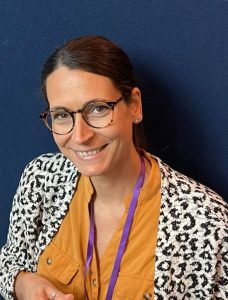
My research expertise lies in vascular biology and cancer, with a particular focus on how endothelial cells regulate tumour progression and responses to therapy. Using clinically relevant in vivo models, I study how cancer treatments reshape the tumour microenvironment and immune responses, with the aim of improving therapeutic outcomes.
PPIE is central to my work because understanding patient perspectives helps ensure that research questions, experimental models, and therapeutic strategies address real clinical needs. Engaging with patients and the public strengthens the relevance, transparency, and societal impact of my research, and informs the responsible development of treatments that balance efficacy with long-term patient well-being.
Riya Patel

I am a Proton Beam Therapy (PBT) Research and Development Radiographer, coordinating evaluative commissioning studies in PBT and facilitating development projects. My work focuses on improving patient experience and exploring clinical applications of radiotherapy. PPIE is essential as it ensures research projects reflect patient needs, it also supports trial design and helps deliver treatments that align with patient priorities.
Suzanne McGowan

I am a PhD student studying the role of the tumour microenvironment in radiotherapy-resistant breast cancer, and I am keen to help bridge the gap between research and clinical practice. My professional experience in breast cancer research and my own family’s experience have shown me how important it is that patient and carer voices guide the direction of science. PPIE ensures our research answers the questions that matter most to those affected by cancer.
Dr Samantha Terry
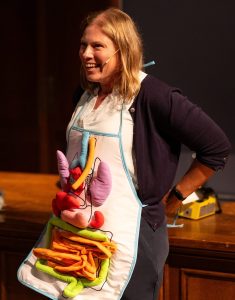
I am an academic at King’s College London who researches what radiation does to our cells; this knowledge then helps radiation protection practices and our ability to use radioactivity to its maximum potential to halt cancer cells from growing or remove them altogether. I have been working in PPIE for over 10 years as I believe it is important to connect with others and that people with experience of cancer and/or radiotherapy can still impact basic science trajectories. Also, that is what life is about, connecting with people, finding similarities and learning from each. Science should be no different.
Looking ahead
If you would like to find out more about the PPIE Radiation Research Champions, please contact Esther Osarfo-Mensah (Senior Outreach Officer) and Philippa Pristerà (Patient Public Involvement Coordinator) via ppie.radnetcol@ucl.ac.uk.